If you work in pastry, coffee, or mixed drink programs, you already know the peaceful power of a cream whipper. A cooled cylinder, a couple of shakes, and the appropriate gas change basic milk into structure and silk. The tool looks safe. The dangers hide in the margins, where stress, temperature, and gas handling meet day-to-day behaviors. This is where experts either develop a society of safety and security or wager with fingers, faces, and reputations.
I've run hectic bread terminals and experienced bar groups across kitchen areas where whipped cream chargers are made use of from open up to close. I have actually also investigated the after-effects of a couple of avoidable incidents, consisting of a split gasket that sent a steel head throughout a prep room and a frostbite spot on a barback's thumb that took weeks to recover. The lessons correspond: N2O cream chargers supply accuracy and speed, yet just if we treat them like the pressurized gas systems they are.
What exactly sits inside a lotion charger
A cream battery charger is a sealed, single-use steel cartridge filled with laughing gas, generally around 8 grams, developed to fit a whipped cream dispenser. Some producers offer bigger cartridges or containers for high-volume procedures, but the core idea continues to be the very same. When pierced in a dispenser's head, the battery charger releases N2O, which dissolves right into the liquid base under pressure. Shake, and the gas distributes into microbubbles, stabilized by fats or various other emulsifiers. Pull the trigger, stress goes down at the nozzle, and you obtain that delicious foam.
Note the difference between N2O and CO2. Carbon dioxide has a tendency to produce sharper, extra acidic bubbles and can curdle dairy products unless you solidify problems and formula. N2O liquifies quicker into fatty liquids and remains reasonably inert with dairy, which is why N2O cream chargers have the category for whipped lotion and numerous foams.
A whipped lotion battery charger is not just a comfort thing. It's a tiny stress vessel that can hit pressures well above 100 psi inside a dispenser. Temperature swings multiply those pressures. Recognizing that basic physics is the first security step.
The physics that can bite you
Pressurized gases comply with policies, whether or not we remember our high-school gas legislations. Warm increases stress, cool lowers it, rapid expansion decreases temperature level fast. Those 3 truths describe most lotion whipper incidents.
Overfilling the container with liquid leaves less headspace for gas. Much less headspace ways stress climbs rapidly when you bill, even with a typical 8 gram cartridge. Then individuals try to repair flow problems by adding an additional cartridge. 2 battery chargers on an overfilled can might function one or two times. With time, O-rings warp, strings use, and the day comes when a seal stops working while someone's face rests twelve inches away.
Rapid depressurization cools steel and fluid precariously. Frostbite can take place in secs if skin calls a jet of increasing N2O or a frozen nozzle. I see the exact same error in bars every wintertime: personnel try to remove a clogged idea with bare hands. The nozzle vents, the finger sticks to cool metal, and you have a blister or worse.
Temperature abuse adds an additional layer. A whipper neglected near a heat lamp or left in a hot delivery truck can intensify internal pressures to the factor where relief valves work overtime. If a device lacks a proper safety valve, pressure discovers the following weakest link.
The lawful and ethical backdrop
Nitrous oxide is a food propellant, however it's additionally a psychoactive gas with misuse capacity. Retailers currently treat N2O cream chargers with restrictions in many areas, from https://knoxnangsizwy933.iamarrows.com/beyond-whipped-cream-innovative-applications-for-n2o-chargers age restrictions to quantity caps. Operators have an obligation to regulate accessibility, specifically if minors or students service site. The reputational damages from personnel abuse dwarfs the expense of much better controls and training.
In commercial kitchens, wellness examiners and insurance policy providers increasingly anticipate documented equipment training. If your group utilizes whipped cream chargers daily, your training binder should include the dispenser version, manufacturer directions, maintenance periods, and event reaction steps. It's not documents for documentation's benefit. When something fails, those web pages verify persistance and puncture chaos.
Choosing the appropriate equipment
All cream chargers look similar up until they don't. Production tolerances, securing high quality, and filler gas pureness differ by brand. The distinctions appear in uniformity, off-flavors, and failure prices. An inexpensive set can save pennies per unit and price you a shift if numerous leak or fall short to puncture cleanly.
Match chargers and dispensers correctly. Some heads are rated only for N2O cream chargers, not carbon dioxide. Some accept just a certain thread requirement. Aluminum dispensers really feel light and helpful, however excellent stainless versions disregard the knocks of solution much better and hold cooler temps much longer. If you run a high-volume bar program with foams during optimal hours, a stainless body with a strengthened head makes a quantifiable difference in both security and output.
Look for dispensers with a recorded pressure ranking and a safety valve. Examine that gaskets are easily available and that the manufacturer hasn't discontinued the design. If you can not locate replacement O-rings and filters in 2 clicks or a single supplier call, pick a various brand. Maintenance without parts turns into guesswork.
Setting up a rational workflow
Unsafe techniques commonly slip in when rate pushes out technique. Develop a station circulation that maintains danger reduced without slowing production.
Keep a dedicated charger location. Shop unopened whipped cream chargers in a completely dry, awesome cupboard, not subjected to sun or heat resources. Placement the dispenser filling terminal far from active heaters or heavy steam. Put a towel to capture drips and provide a secure surface area for seating the head.
Pre-chill the container and the liquid. Cold fluid stabilizes foam and keeps inner pressures much more foreseeable. A twenty-minute cool for the dispenser body repays in both structure and security. If you're using non-dairy bases, test the viscosity and sugar material prior to service. Thin fluids blast out strongly, thick ones block. Both result in improvised solutions during rush that raise risk.
Standardize fill volume. The majority of one-liter dispensers want around 500 milliliters of lotion or base. That offers headspace for gas. Mark capture containers at your target fill line. Team ought to fill by the mark, not by eye. Overfill is the entrance to overpressure and clogs.
Charging and giving without drama
New staff typically tighten the head like they're sealing a submarine hatch. Over-tightening crushes O-rings, strips threads, and establishes you up for leaks. Company and also wins.
Use the correct number of N2O cream chargers for your dispenser dimension and base. For a one-liter body with dairy, one charger normally suffices for soft optimals. Two battery chargers can be suitable for ultra-stable or high-fat formulations, however that should be a dish decision, not a panic switch. If you need extra gas to attain texture, transform the base, not the rules of physics.
Shake with function, not rage. A short, regulated shake, five to ten times, disperses gas equally. Fierce shaking produces thick pockets of gas that vent all of a sudden at the nozzle. If preliminary flow sputters, quit and wait fifteen secs. Gas needs time to dissolve. Striking it with another cartridge while the initial is still equilibrating is how individuals surpass secure stress without realizing.
Always aim the nozzle away from faces and toward a vessel, with a company grip on the trigger. Give slowly in the beginning. If you obtain a high-velocity jet, time out and reassess as opposed to muscling via. Inspect the tip for a partial blockage, make certain the gasket sits properly, and make sure the liquid is cool enough.
Clogs and the impulse to do the incorrect thing
Clogs test judgment. You're in the weeds, the ticket rail is full, and the foam has developed into a persistent hiss. The urge is to twist off the nozzle or loosen the head while the device is still under pressure. That's how gaskets end up being projectiles.
De-pressurize patiently. Hold the cylinder upright, aim right into a deep sink, and delicately feather the trigger till the hiss subsides. If nothing comes out, hold a towel over the pointer and wait. Gas dissolves more at pressure. Give it a minute to equilibrate, after that attempt again. If the nozzle remains obstructed, get rid of the tip meticulously once pressure is gone, never ever prior to. Utilize the offered cleansing brush, not a toothpick or a steel skewer that can harm the orifice.
For chronic obstructions, take a look at the dish. Seed fragments from spices, citrus zest, or chocolate nibs will certainly collect in the shutoff. Strain bases through a great chinois and even a coffee filter for troublesome mixes. A percentage of xanthan or gelatin can support foams and reduce clogging, but examination off-line. Stabilizers can additionally ramp thickness and develop new circulation problems if made use of blindly.
Cold burns are real
Nitrous oxide leaves the charger cool enough to freeze skin on contact. You don't see it coming, since the metal looks normal. Team need to deal with the cartridge and the shutoff like a frost danger every time.
Use the sleeve or a towel when removing a spent battery charger. Don't palm the metal directly right after leak. Never check a nozzle blockage by pressing it against skin. The barback that discovered this by hand missed out on a week of shifts.
If a chilly melt takes place, lukewarm water, not hot, and no massaging. Record the case and examine the root cause. It's usually either impatience or inadequate training.
Storage, transport, and waste
Cream chargers make it through best in a dry, pleasant atmosphere. Avoid keeping boxes near ovens, dishwashers venting heavy steam, or on sun-baked delivery anchors. Warm storage accelerates gasket wear in dispensers and elevates failure prices during piercing.
Transport needs equivalent regard. In vans that heat up, battery chargers can reach temperature levels that check kink seals. Usage protected totes if ambient temps run high, and stay clear of leaving battery chargers in cars overnight throughout warm months.
Spent chargers continue to be pressurized a little bit up until all gas vents. Pierced but chilly chargers typically retain trace gas that can hurry out if crushed. Train staff to go down spent battery chargers into a committed steel container, not basic trash where they can strike a compactor. Many communities permit steel recycling. Inspect local standards and maintain that container free of food waste. The noticeable act of recycling additionally hinders informal theft of chargers by reminding everyone the cartridges are monitored.
Misuse and the line you have to hold
Recreational inhalation of Nitrous Oxide cream chargers causes hypoxia and carries neurological dangers, particularly with persistent abuse. Whether you run a cafe or a Michelin cooking area, you are the steward of this product. Lock storage, count inventory, and maintain distribution limited. If a team member jokes concerning taking chargers home, that's a bright red flag. Resolve it instantly, record the discussion, and adjust opportunities if needed.
Beyond personnel, the general public reviews headings. A single tale of an injury or misuse tied to your location can reverse years of trust fund. Clear policies stop awkward scenarios. Post a simple standard in the BOH handbook: N2O is a food propellant, not a plaything. Use just for food selection things. No chargers leave the building.
Cleaning routine that prevents the terrifying stuff
Pressure devices stop working when tiny deposits build up where they shouldn't. Dairy clings, separates, and sours. That feeds clogs and corrosion.
After solution, depressurize totally. Loosen the head only when silent and slack. Get rid of the gasket and shutoff, then soak in warm, mildly soapy water. A small brush cleans up the shutoff seat and nozzle. Prevent rough abrasives that damage the interior surface areas since those scratches collect fat solids and develop mini snag factors. Wash thoroughly and air-dry. Reconstruct just when every little thing is bone dry. A wet shutoff can freeze to itself at next use, which comes to be another clog waiting to happen.
Schedule gasket replacements. Silicone or rubber O-rings do not last forever, specifically with frequent charging. I rotate new gaskets every 3 months in high-volume procedures, every 6 in slower stores. Keep a labeled bag of substitutes at the terminal. Don't fish a stretched gasket back right into solution because it "sort of" fits. That faster way finishes with a leak at the worst time.
Recipe engineering for much safer, better foam
Safety and quality trip with each other. A steady foam streams predictably and places less stress on hardware.
Fat content issues. For dairy products, heavy cream in the 30 to 36 percent fat range whips and holds well. Ultra-high warm dealt with cream can behave differently depending on the brand name, often calling for longer cool or a dash of stabilizer. For vegan foams, emulsifiers like soy lecithin, aquafaba, or specialized plant-based cream bases can perform magnificently, but they require fine purification and a tighter thickness home window to avoid clogs.
Sugar impacts thickness and cold habits. Simple syrup thins, powdered sugar with corn starch thickens a little, honey adds elasticity however can take shape otherwise completely dissolved. Alcohol decreases surface tension and can fall down foams if used boldy. If you're constructing a mixed drink foam, keep the ABV of the base low, after that deliver the spirit in the drink rather than the container. A 1 to 2 percent gelatin solution, flowered and cooled right into the base, generates appealing, sturdy framework without hammering the dispenser.
Test new dishes at solution temperature with the actual devices utilized on shift. A foam that behaves in an examination kitchen at a different temperature level and with one more dispenser may betray you on the line.
Training that sticks
Most near-misses begin with a person that has actually not been shown properly. Do not hide training in a binder and hope for the most effective. Do short, live demonstrations when you onboard, after that refresh month-to-month. Turn the duty for the whip terminal so greater than someone has competence. A station that depends upon a solitary "whipper whisperer" is fragile.
I like to make use of a five-minute micro-drill: determine the parts, check the gasket, measure and fill to the line, charge once, shake, examination flow, clean down. If a blockage takes place during the trial, wonderful, now you can instruct the safe method to remove it without stress. Maintain the tone tranquility but company. Staff mirror your attitude toward the device.
Troubleshooting patterns you'll really encounter
- Batch preferences metal: Might be low-cost battery chargers leaching flavor or a dispenser that hasn't been rinsed thoroughly. Change to a trustworthy brand name and run a hot-water and vinegar rinse, after that retest with fresh cream. Foam collapses promptly: Inspect fat material and temperature level. Cozy cream or a base with high alcohol material will certainly stop working. One well-timed added charge can assist, yet it should be a recipe revision rather than a habit. Violent eruptions at start: Gas stratification from over-shaking or from remaining on its side as well long. Allow the canister rest upright for a minute, after that a mild shake and a slow first squeeze. Chronic small leakages at the head: Used O-ring, overtightened head, or cross-threading. Change gasket, lubricate lightly with a food-safe lube if the supplier permits, and train team to begin threads gently before tightening. Random obstructions with a "clean" base: Covert particulates. Stress once more with a better mesh, and inspect the valve for micro accumulation. In unusual cases, you'll locate wear burrs in older nozzles that grab particulates. Replace the tip.
The bigger picture on ecological and cost considerations
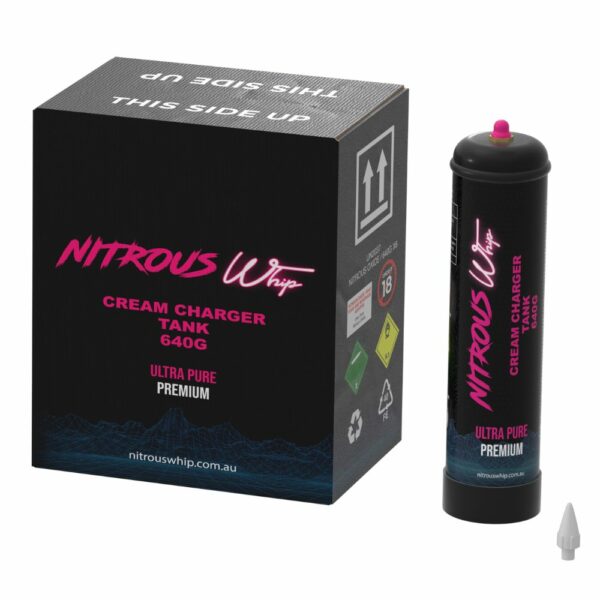
Each lotion charger stands for steel and power. High-volume stores can burn via dozens daily. If you're committed to sustainability, consider a high-capacity cyndrical tube system paired with a regulator and compatible dispenser. This minimizes single-use waste and typically reduces per-charge expense. The trade-off is stricter handling procedures, distributor vetting, and clear labeling to avoid carbon dioxide and N2O mix-ups.
For small operations, pick recyclable whipped cream chargers, and make reusing component of the closing checklist. Track use like you track espresso or spirits. Waste diminishes when team understand you're counting.
When to retire gear
A dispenser with a ding on the edge or a hairline split in the head doesn't should have a second chance. Under pressure, little imperfections increase into failures. If strings feel sandy or miss, if the relief valve sticks, or if the interior coating peels off, draw the system from service and tag it. Conserving a hundred bucks on a substitute is the most awful incorrect economic situation in a kitchen.
Two limited checklists for daily use
Daily pre-service safety checks:
- Inspect the gasket for cracks or flattening, replace if questionable. Verify the nozzle and valve are clean, completely dry, and seated correctly. Confirm the container body and head are without dents or thread damage. Stage chargers in a cool, dry area, out of sunlight and away from heat. Review the recipe card and fill line, then chill base and canister.
Safe shutdown after service:
- Fully depressurize before opening up the head, validate silence and slack. Disassemble nozzle and valve, clean with cozy soapy water, and air-dry. Rinse and completely dry the cylinder body, store with head loosely attached to safeguard threads. Count invested battery chargers into the reusing bin, validate none are in general trash. Log any type of leakages, obstructions, or uncommon behavior for follow-up maintenance.
The payback for getting it right
When took care of with regard, cream chargers and dispensers are workhorses. They allow a little team produce constant textures at speed. They hold chilly in the rush, and they deliver tidy lines on a plate or a glass. The guardrails don't reduce you down. They eliminate friction, reduce waste, and offer your group confidence.
The toughest cooking areas and bars develop rituals that turn risk into integrity. Acquire strong tools, compose recipes that act, make training visible, and deal with every N2O cream battery charger as a regulated tool, not a disposable ornament. Do that, and your foam will certainly hold, your team will certainly keep their fingers and face, and your visitors will certainly taste the distinction without ever seeing the machinery behind the curtain.